Vote for future
Topless add-ons.
These gliders are under research consideration for future THGF packages. Cast your vote to signal demand — grouped by manufacturer, ordered by votes.
Sign in to vote · one vote per glider per account
 Wills Wing4 gliders1 votes
Wills Wing4 gliders1 votes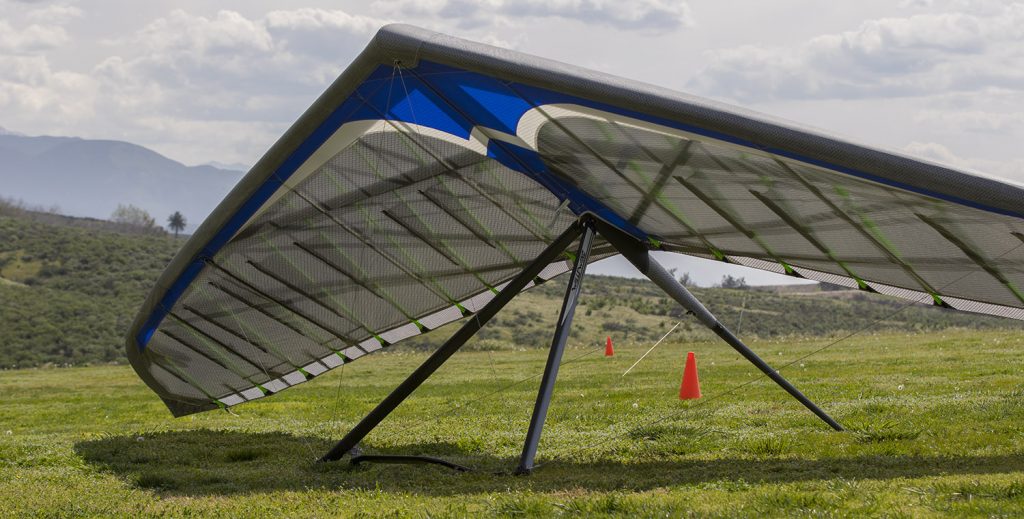
Current-generation WW competition topless. New bearing system at wingtips for improved roll authority. Span 9.8m, area 12.6m², AR 7.6, weight 31.4kg. Vms 34 km/h. HGMA certified March 2020.
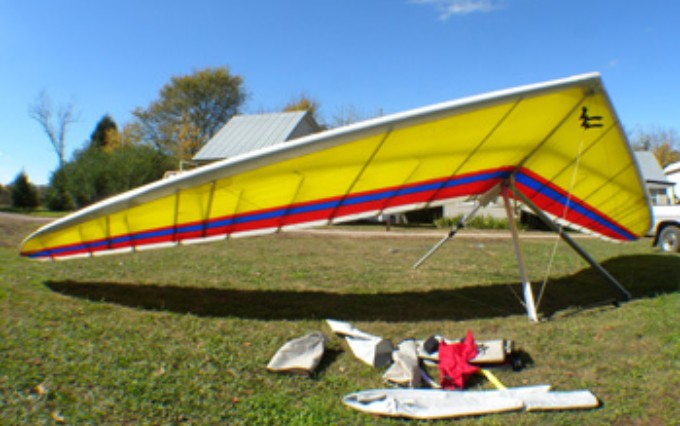
First Wills Wing topless competition glider. Span 9.8m, area 13.4m², AR 7.4, weight 32kg. HGMA Class IV. Significant performance jump from Talon king-post series.
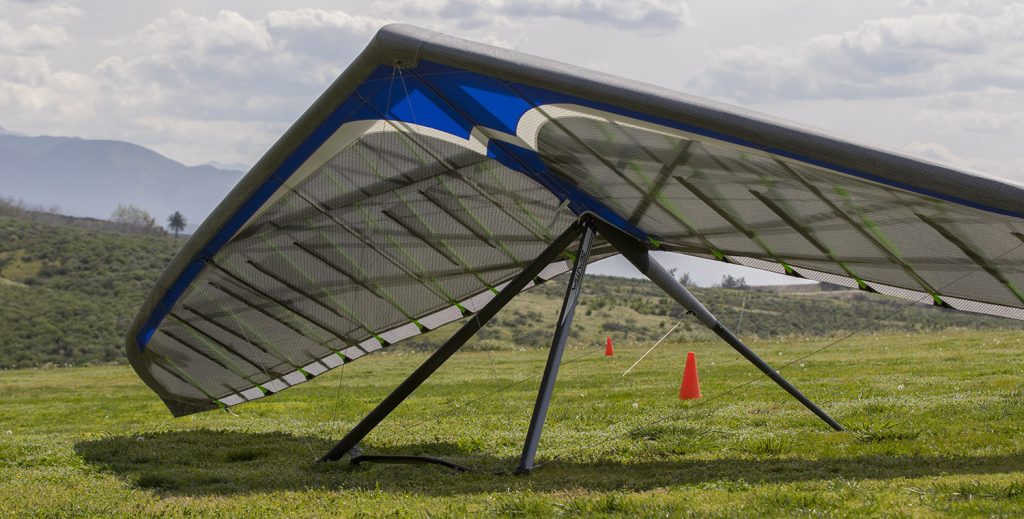
T3 standard size. Span 10.0m, area 13.4m², AR 7.6, weight 32.2kg.
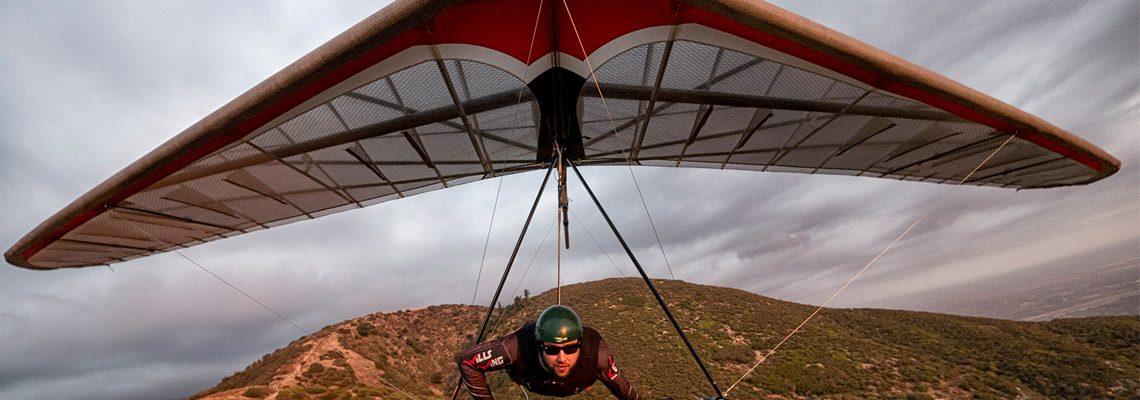
Large T3. Span 10.4m, area 14.3m², AR 7.6, weight 33.1kg.
 Aeros3 gliders
Aeros3 gliders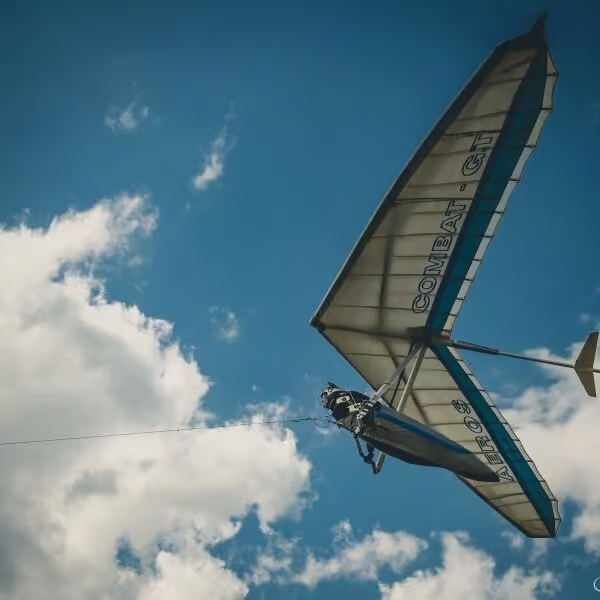
Mid-size Combat GT. Span 10.7m, area 13.5m², AR 8.5, weight 35kg. Horizontal stabiliser.
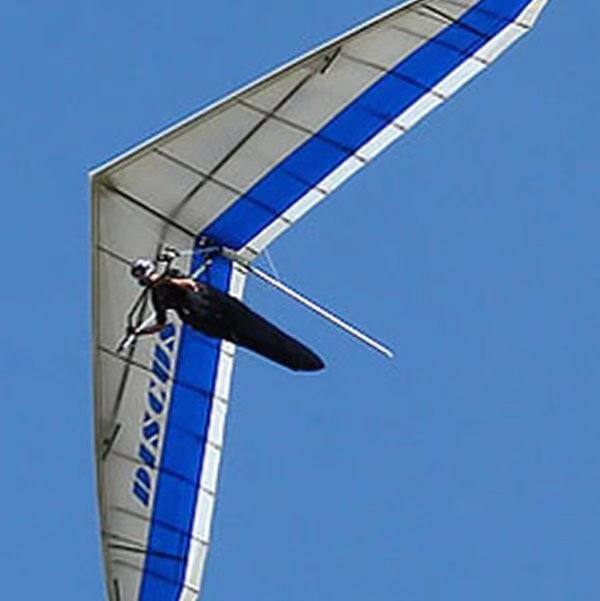
Higher-performance Discus variant. Wills Wing Slipstream king post. Span 9.6m, area 12.8m², AR 7.2, weight 28.3kg. Stall 29–30 km/h, max 80 km/h. Aeros has been working on an intermediate design for about 3 years, but had not made it the priority that was warranted. The first prototype of the current design was flying in the spring of 2002 and U.S. Aeros received the first prototype during the summer for testing. After receiving this glider, U.S. Aeros' VP, Sunny Venesky worked with the designers at the Aeros factory to fine tune the glider to get it ready for the market — keeping in mind the criteria needed to make this glider a big hit.
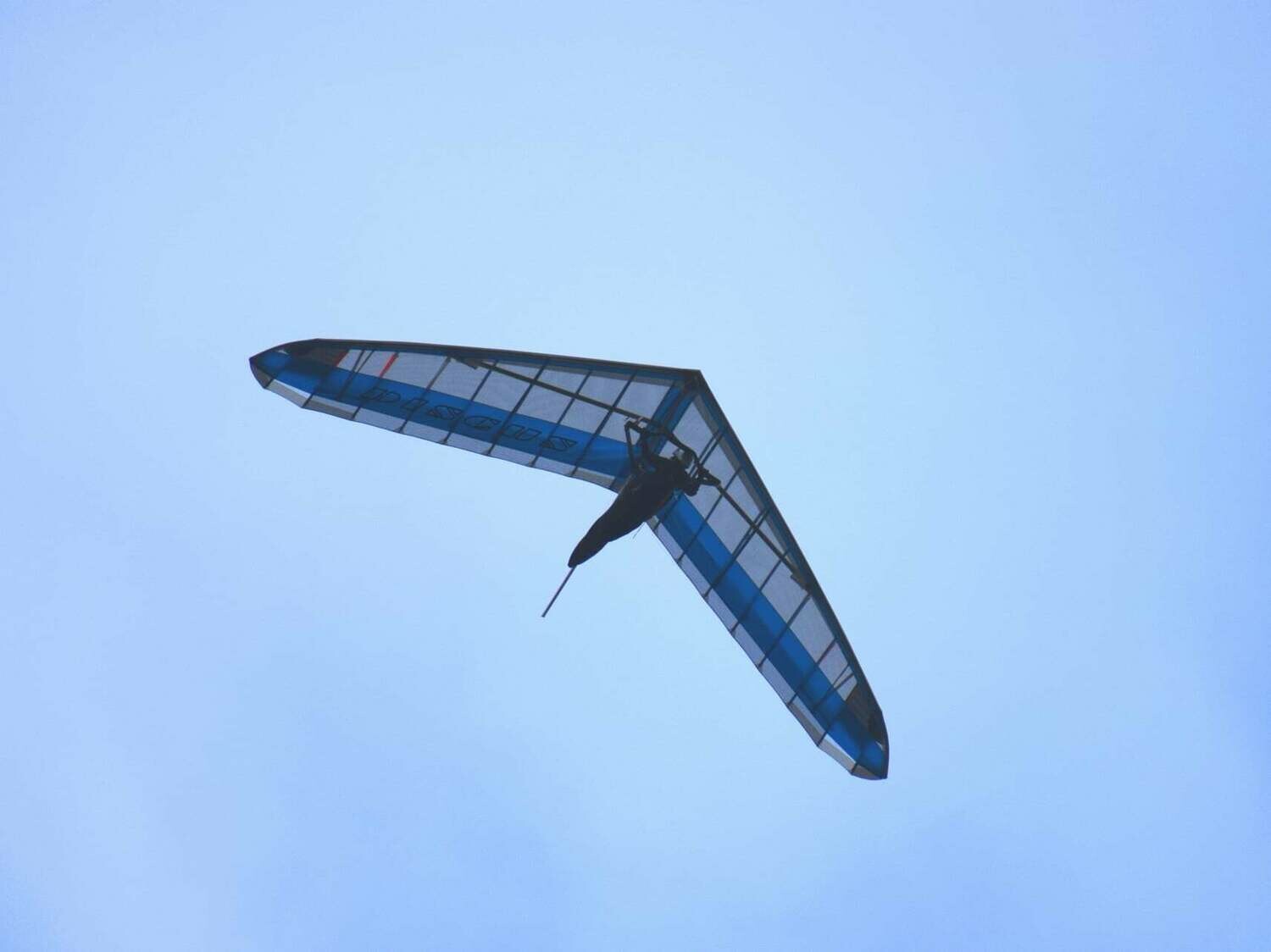
Mid-size Discus C. Wills Wing Slipstream king post. AR 7.3, weight 31kg.
 Airborne1 glider
Airborne1 glider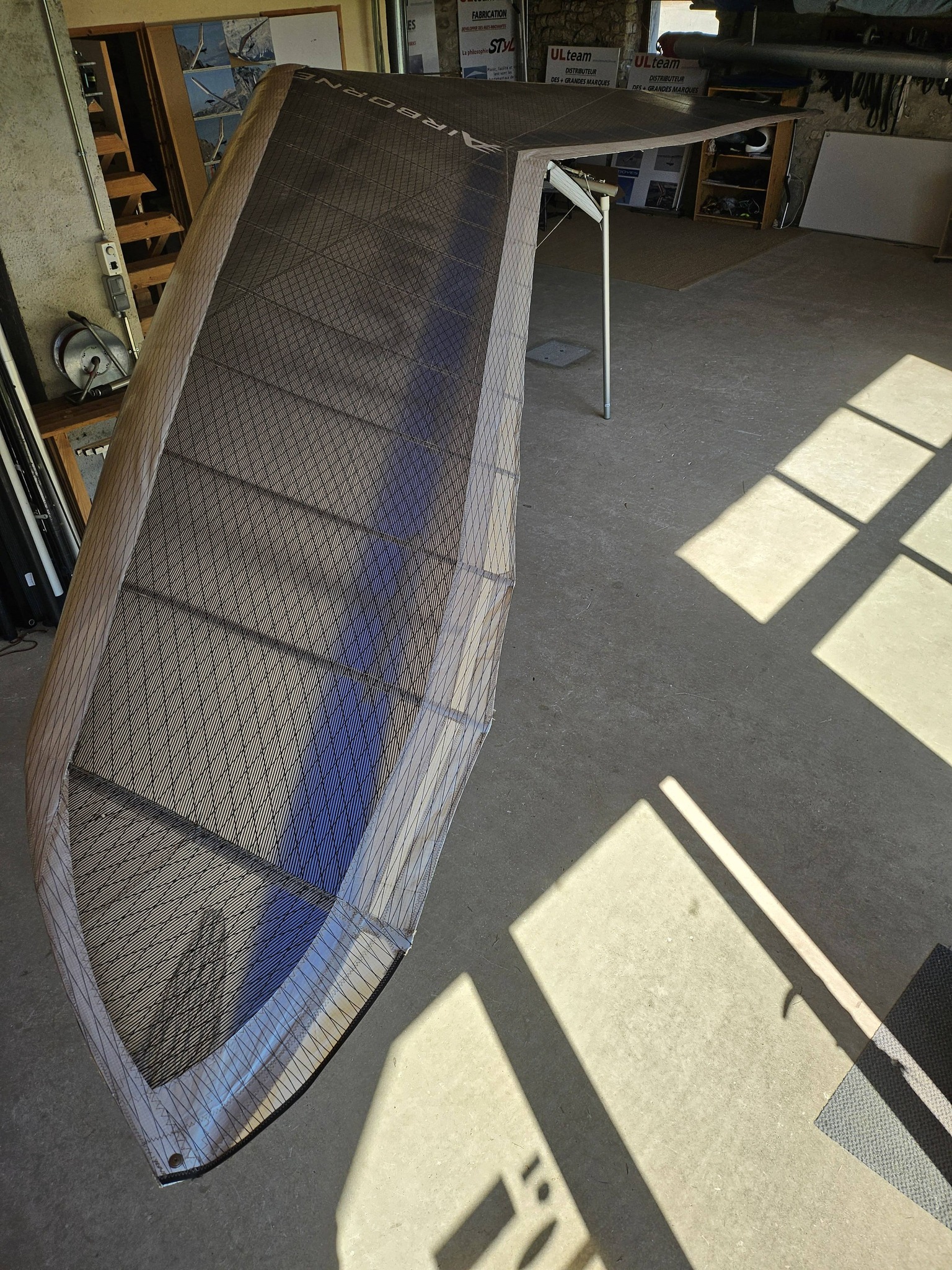
 Avian1 glider
Avian1 glider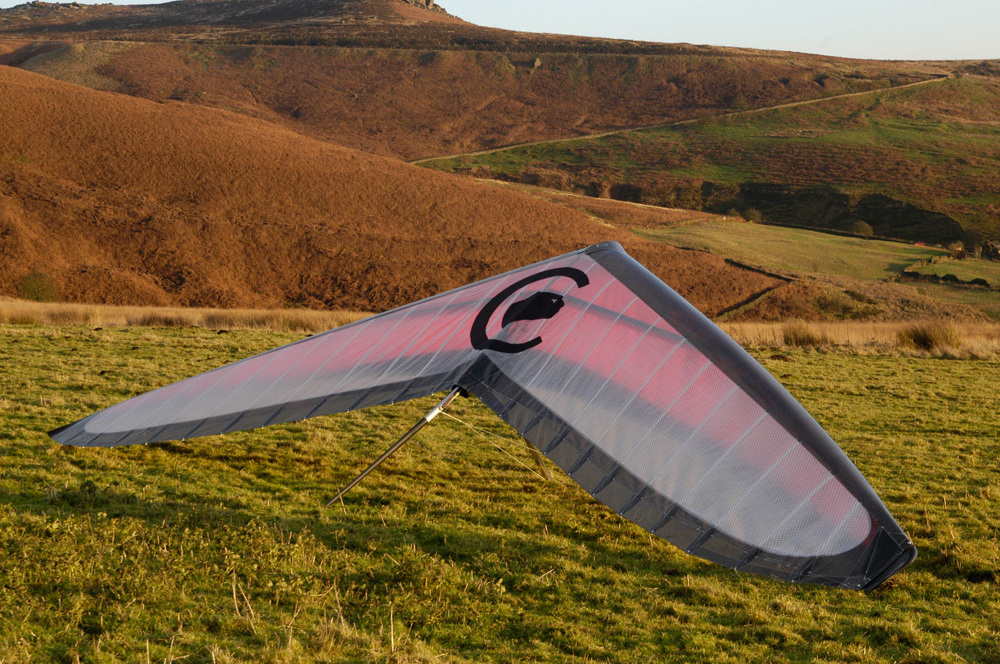
Lighter Avian topless. Span 9.75m, area ~13.6m², AR 7.4, glide 15:1, weight 27.5–28.5kg. Notably lighter than Cheetah.
 Bautek1 glider
Bautek1 glider
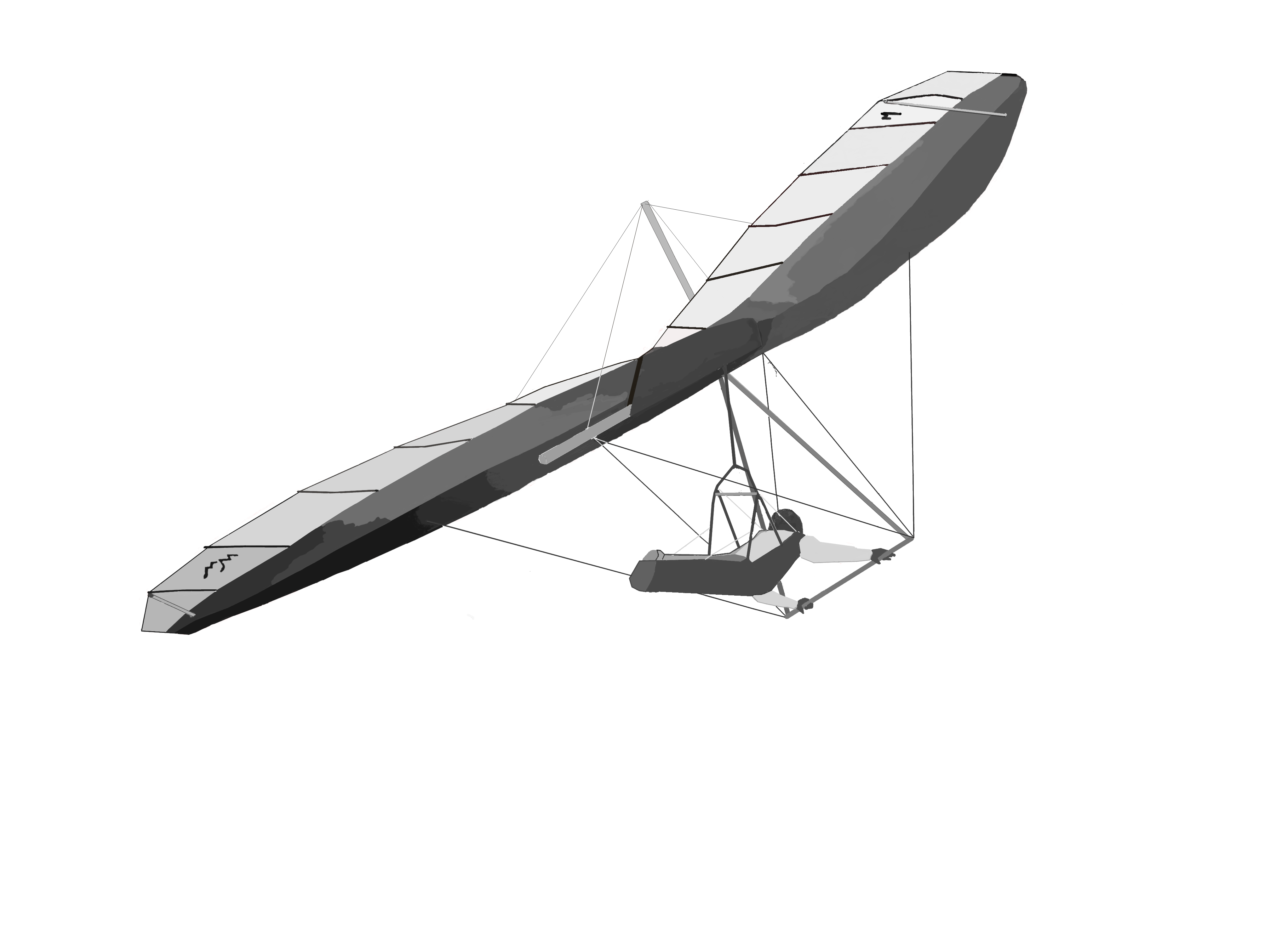
With the Fizz we are striving for the top position of the tower high performers. The Fizz sets new standards, both in thermal performance and faster glide and cross-country flying. Since 2017, the Fizz SE (= Special Edition = Special Edition) has been a model with more refined tuning and particularly high-quality equipment. The improvements in the tuning of frame and sail are of course also included in the basic equipment of the Fizz 2017 is used.
 Guggenmos1 glider
Guggenmos1 glider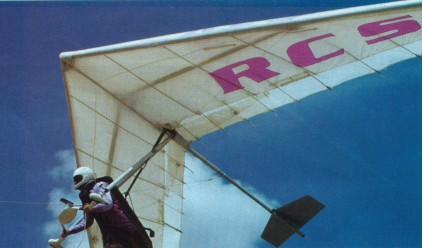
Joe Guggenmos makes the Bullet glider series and the RCS Topless. In 1997 Guggenmos equipped his topless RCS with anti-vortex wingtip fairings.
 Icaro 20004 gliders
Icaro 20004 gliders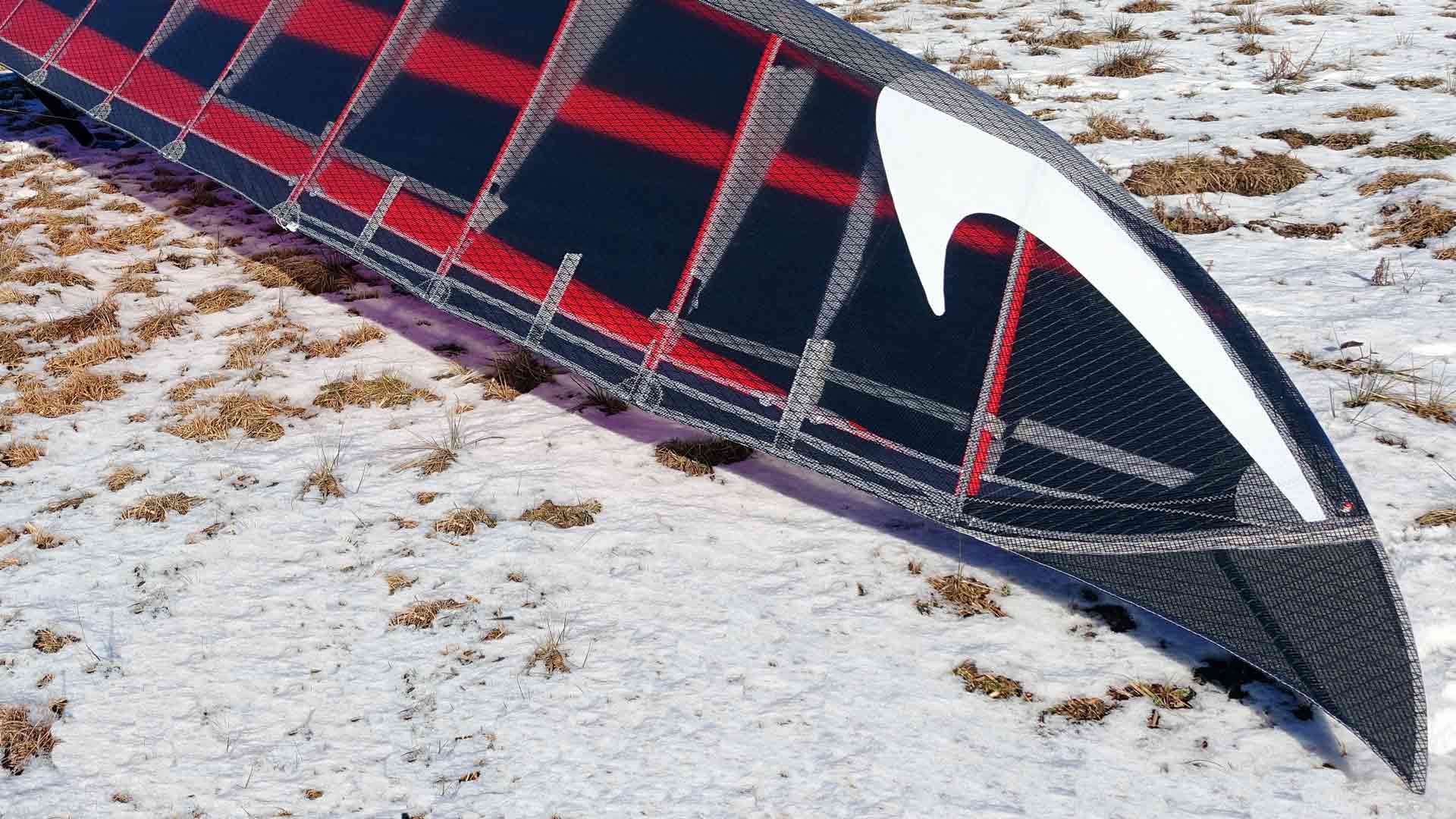
From when the LAMINAR first appeared in 1994, it has undergone many changes. Today, all modifications are tested by three world champions: Manfred Ruhmer, Christian Ciech (current world champion), and Alex Ploner. After having taken the first two positions at the 2015 World Championships, and the first two positions at the 2016 European Championships, we have concentrated on making the Laminar’s performance even more accessible, not just for competition pilots, but for those who fly for the sheer pleasure of flying. A pilot’s performance is better when the performance of his glider is easier to control. This is what we have been working on. Current Icaro topless. Span 9.61m, area 12.52m², AR 7.38. Elliptic wingtips, carbon elements, Ergal 7075 CNC crossbar block. Nose angle 132°. Pilot 55–75 kg.
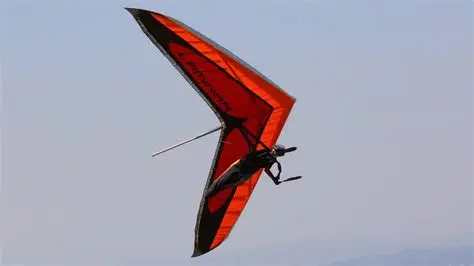
From when the LAMINAR first appeared in 1994, it has undergone many changes. Today, all modifications are tested by three world champions: Manfred Ruhmer, Christian Ciech (current world champion), and Alex Ploner. After having taken the first two positions at the 2015 World Championships, and the first two positions at the 2016 European Championships, we have concentrated on making the Laminar’s performance even more accessible, not just for competition pilots, but for those who fly for the sheer pleasure of flying. A pilot’s performance is better when the performance of his glider is easier to control. This is what we have been working on. Mid-size Laminar Z9. Span 10.05m, area 13.24m², AR 7.63. Pilot 70–85 kg.
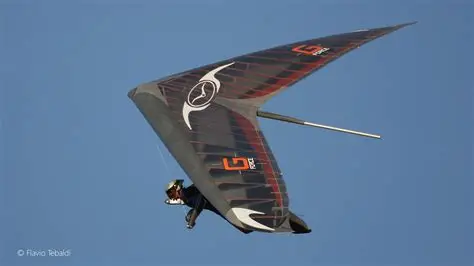
From when the LAMINAR first appeared in 1994, it has undergone many changes. Today, all modifications are tested by three world champions: Manfred Ruhmer, Christian Ciech (current world champion), and Alex Ploner. After having taken the first two positions at the 2015 World Championships, and the first two positions at the 2016 European Championships, we have concentrated on making the Laminar’s performance even more accessible, not just for competition pilots, but for those who fly for the sheer pleasure of flying. A pilot’s performance is better when the performance of his glider is easier to control. This is what we have been working on.
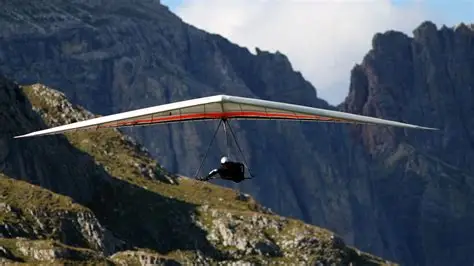
From when the LAMINAR first appeared in 1994, it has undergone many changes. Today, all modifications are tested by three world champions: Manfred Ruhmer, Christian Ciech (current world champion), and Alex Ploner. After having taken the first two positions at the 2015 World Championships, and the first two positions at the 2016 European Championships, we have concentrated on making the Laminar’s performance even more accessible, not just for competition pilots, but for those who fly for the sheer pleasure of flying. A pilot’s performance is better when the performance of his glider is easier to control. This is what we have been working on. Large Laminar Z9. Span 10.54m, area 14.16m², AR 7.85. Pilot 90–100 kg.
 La Mouette3 gliders
La Mouette3 gliders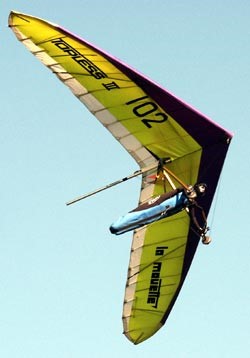
The 1995 Topless, for advanced pilots, is easy to fly and land with no surprises or bad habits. Some of the carbon fiber battens have broken but they’re easy to repair with kite tubing. The alignment of the VG pulleys during setup can easily get twisted around – but it’s fairly simple to keep the assembly straight.
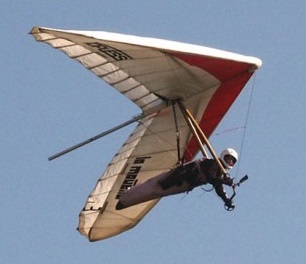
Mid-size first-generation topless. Span 10.12m, area 12.8m², AR 8.0, nose angle 132°. Pilot 50–75 kg.
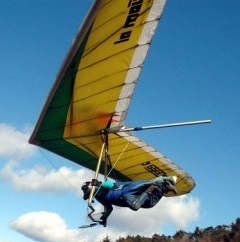
Largest first-generation topless. Span 10.12m, area 13.5m², AR 7.5, nose angle 132°. Pilot 60–92 kg.
 Moyes8 gliders
Moyes8 gliders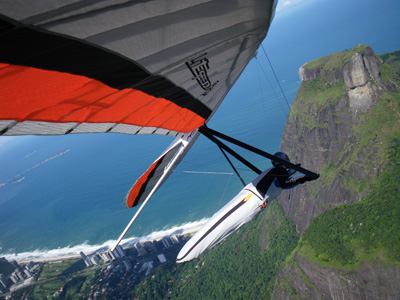
LITESPEED RS Description | Specifications | Options | Colors | Documents Litespeed RS - Description LitespeedrsGerolf Heinrichs has increased the span of the Moyes Litespeed S gliders to create the RS series, a glider with decreased induced drag and therefore increased performance. This latest evolution of the Moyes Litespeed line with its higher aspect ratio is combined with changes to the sail design and cut that produce excellent handling characteristics when launching, landing and thermaling. The RS is available in two sizes (RS 3.5 and RS 4) and with optional carbon fibre leading edges, dive struts, and battens which provide reduced inertia, always useful when initiating turns.
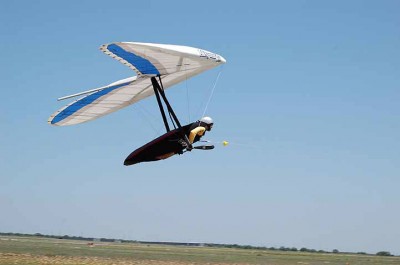
LITESPEED RS Description | Specifications | Options | Colors | Documents Litespeed RS - Description LitespeedrsGerolf Heinrichs has increased the span of the Moyes Litespeed S gliders to create the RS series, a glider with decreased induced drag and therefore increased performance. This latest evolution of the Moyes Litespeed line with its higher aspect ratio is combined with changes to the sail design and cut that produce excellent handling characteristics when launching, landing and thermaling. The RS is available in two sizes (RS 3.5 and RS 4) and with optional carbon fibre leading edges, dive struts, and battens which provide reduced inertia, always useful when initiating turns.
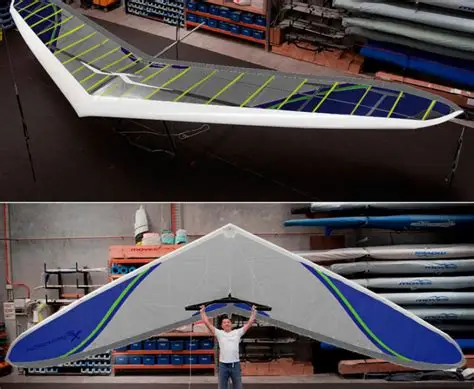
Gen 4 Litespeed. Span 9.77m, area 12.8m², AR 7.4, glide 14.5:1, weight 31–33kg. Technora top surface. DHV certified. RX Pro variant introduced 2025.
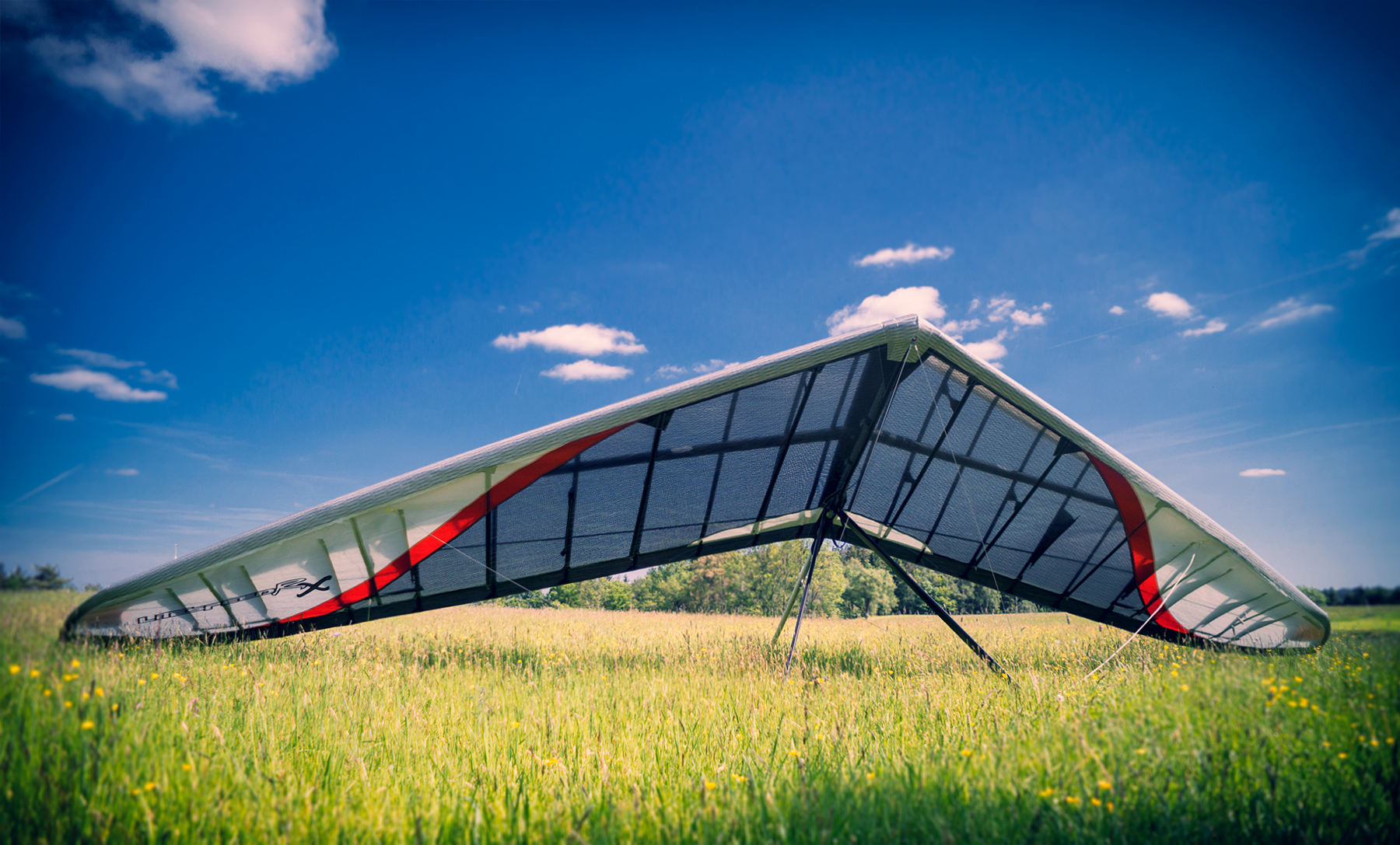
Gen 4 Litespeed. Span 10.07m, area 13.5m², AR 7.5, glide 15:1. DHV certified.
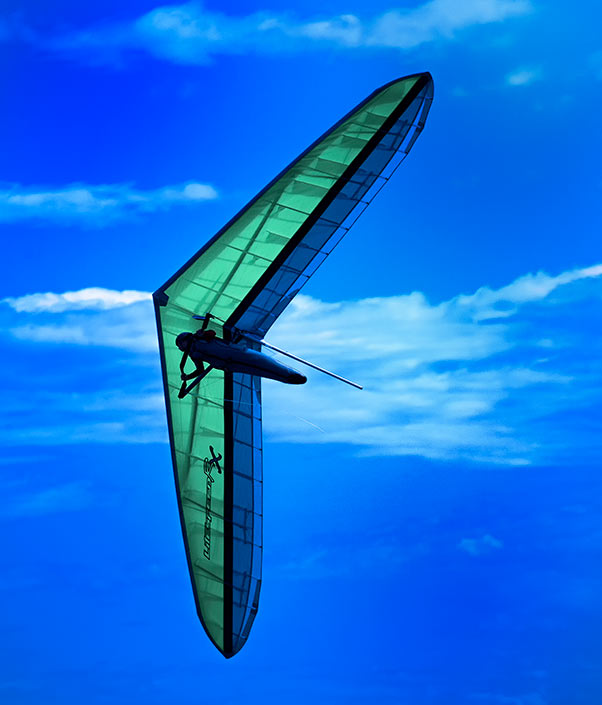
Gen 4 Litespeed. Span 10.27m, area 13.9m², AR 7.6, glide 15:1. DHV certified.
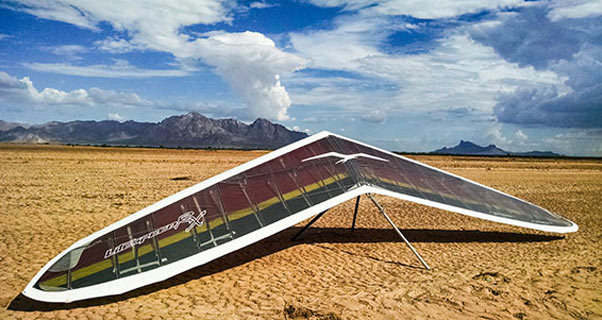
Largest RX. Span 10.4m, area 14.8m², AR 7.3, glide 15:1, weight 34.5–36.5kg. Pilot 85–119 kg.
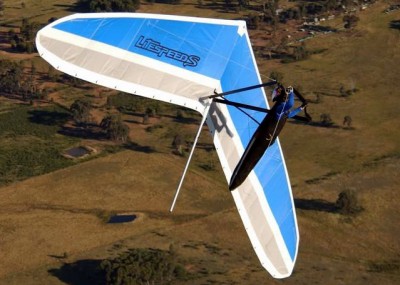
Gen 3 Litespeed. Five-size range. S3 span 9.67m, area 12.8m², AR 7.1, glide 14:1, weight 31–33kg. Pilot 59–89 kg.
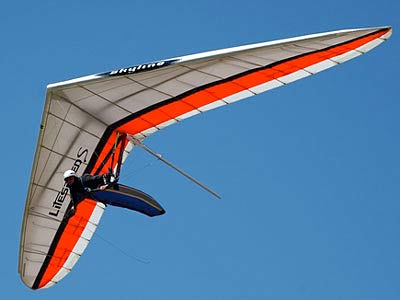
Gen 3 Litespeed S4. Span 10.0m, area 13.6m², AR 7.4, glide 15:1. Popular XC and competition glider.
 Seedwings Europe2 gliders
Seedwings Europe2 gliders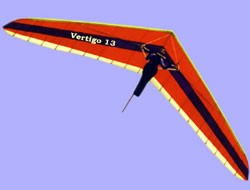
Competition topless. Span 10.0m, area 13.0m², AR 7.69, nose angle 133°. DHV 2-3 certified. Pilot 55–85 kg.
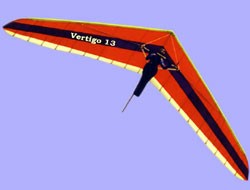
Large Vertigo. Span 10.4m, area 14.6m², nose angle 133°. DHV 2-3 certified. Pilot 75–110 kg.